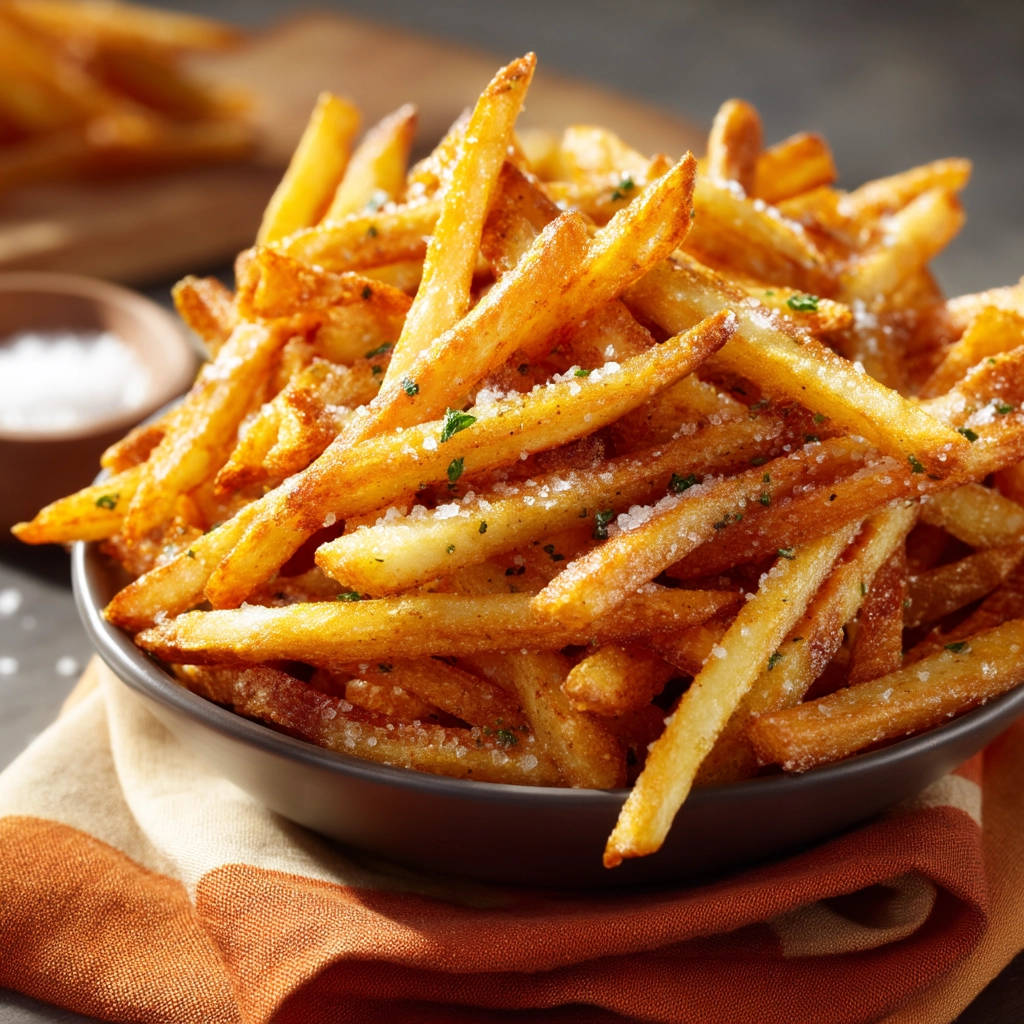
Stop Soggy Fries: The Science Behind Ultra-Crispy Sweet Potatoes
There's a universal truth in the culinary world: few things are more disappointing than anticipating a plate of golden, crunchy fries only to be met with a sad, soggy rendition. This disappointment is particularly common with sweet potato fries, which, despite their delicious flavor and nutritional benefits, often fall victim to a texture that's more limp than luscious. But what if we told you that achieving truly ultra-crispy sweet potato fries isn't just a dream, but an exact science?
Forget everything you thought you knew about frying sweet potatoes. This isn't about guesswork; it's about understanding the unique properties of sweet potatoes and applying a precise technique that transforms them from soft sticks into shatteringly crisp delights. We're going to dive deep into the 'why' behind every crucial step, ensuring your homemade crispy fries rival (or even surpass) your favorite restaurant versions, all while often being a healthier option thanks to the wonders of the air fryer. If you're ready to banish soggy fries from your kitchen forever, keep reading.
The Sweet Potato Challenge: Why Are They So Prone to Soggy Failure?
Unlike their starchy white potato cousins, sweet potatoes present a unique set of challenges when aiming for crispiness. Understanding these inherent properties is the first step towards conquering them:
- Higher Moisture Content: Sweet potatoes naturally contain more water than regular potatoes. When cooked, this moisture turns to steam, which can get trapped, leading to a steaming effect rather than a frying effect. This prevents the surface from drying out and crisping up, resulting in a soft, often gummy exterior.
- Higher Sugar Content: The sweetness in sweet potatoes comes from their higher sugar levels. While this contributes to their delicious flavor and promotes beautiful caramelization (the Maillard reaction), it also means they can burn more quickly at high temperatures before they've had a chance to fully crisp. The sugars can also create a softer, more pliable texture if not properly managed.
- Different Starch Composition: While both types of potatoes contain starch, the specific composition and distribution in sweet potatoes can be trickier. Excess surface starch can become sticky when heated, forming a barrier to crisping and leading to that undesirable gummy texture.
These factors combine to make sweet potatoes a formidable opponent in the quest for the perfect fry. However, with the right scientific approach, these challenges can be easily overcome.
The Ultra-Crispy Blueprint: A Step-by-Step Scientific Approach
Achieving truly Mastering Crispy Air Fryer Sweet Potato Fries Technique involves a meticulous process designed to counteract the sweet potato's natural tendencies. Each step is vital:
1. Precision Cutting and Soaking for Optimal Structure
- Even Cuts are Key: Start by peeling your sweet potatoes and cutting them into uniform strips, ideally ¼ to ½ inch thick. Consistency here is paramount; unevenly sized fries will cook unevenly, leading to some being burnt while others remain soft.
- The Cold Water Bath (Starch Removal & Hydration): This is a non-negotiable step. Submerge your cut sweet potatoes in a bowl of very cold water for at least 30-60 minutes, or even longer (up to several hours).
- The Science: Soaking helps draw out excess surface starch. This is crucial because a thick layer of starch on the surface would otherwise turn gummy and impede crisping. It also allows the fries to absorb a small amount of water, which helps them cook more evenly and develop a tender interior without becoming mushy. Think of it as preparing the canvas for crispness.
2. The Moisture Menace: Thorough Drying is Critical
After their cold bath, your sweet potatoes will be wet. This is where many home cooks falter. Any residual moisture will turn to steam in the air fryer, preventing browning and crisping. This step cannot be rushed or underestimated.
- Pat, Pat, Pat: Drain the fries thoroughly, then spread them in a single layer on several sheets of paper towels or a clean kitchen towel. Use more paper towels to pat them as dry as humanly possible. You want the surface to feel completely dry to the touch.
- The Science: A dry surface is essential for two primary reasons. Firstly, it allows the oil and cornstarch to adhere properly, creating the crispy coating. Secondly, it enables the Maillard reaction (the chemical process responsible for browning and flavor development) to occur efficiently, leading to that coveted golden-brown crunch. Without dryness, you're essentially steaming, not frying.
3. The Crispy Crust Architect: Cornstarch Coating
Once your fries are bone-dry, it's time for their secret weapon: cornstarch.
- Light Dusting: Place the dried sweet potato fries in a large bowl. Sprinkle 1-2 teaspoons of cornstarch over them, tossing gently until each fry is lightly and evenly coated. You don't want clumps, just a fine, uniform dusting.
- The Science: Cornstarch works wonders as a crisping agent. It absorbs any microscopic amounts of lingering surface moisture that even thorough drying might miss. More importantly, when heated, the cornstarch molecules gelatinize and then dehydrate, forming a thin, brittle, glassy crust around each fry. This creates an incredibly satisfying crunch that stands up to the tender interior. It's the ultimate crispy shield.
4. Oil and Seasoning: Flavor & Golden Hue
After the cornstarch, add a small amount of oil and your chosen seasonings.
- Light Oil Coating: Drizzle about 1-2 tablespoons of a high smoke point oil like olive or avocado oil over the coated fries. Toss well to ensure every fry has a thin sheen of oil.
- The Science: The oil helps conduct heat evenly, promotes browning through the Maillard reaction, and contributes to the overall crispness. For air frying, less oil is required compared to deep frying, making it a healthier alternative.
- Seasoning: Add your desired spices – salt, black pepper, paprika, garlic powder, or a pinch of cayenne for a kick. Pro Tip: For maximum crispiness, consider adding most of the salt *after* cooking, as salt can draw out moisture during cooking.
Mastering the Air Fryer: Temperature, Batching, and Timing
The air fryer is your best friend in the quest for Air Fryer Secrets: Achieve Restaurant-Crispy Fries Fast. Its circulating hot air mimics the effects of deep frying with significantly less oil.
- Preheat is Paramount: Always preheat your air fryer to 380-400°F (193-204°C). A hot environment ensures the fries start crisping immediately upon hitting the basket, preventing them from slowly steaming.
- The Golden Rule: Batch Cooking: This is arguably the most critical air fryer principle. Arrange your seasoned fries in a single layer in the air fryer basket. Do NOT overcrowd the basket.
- The Science: Air fryers work by circulating hot air around the food. Overcrowding blocks this airflow, trapping steam and turning your fries soggy instead of crispy. Cooking in small batches ensures every fry gets maximum exposure to the hot, circulating air, guaranteeing even crisping and browning.
- Cook and Shake: Air fry for 12-25 minutes, depending on your air fryer model and desired crispiness. Shake the basket or flip the fries halfway through cooking to ensure all sides are exposed to the heat and brown evenly. For extra browning, you can add a few more minutes.
- Serve Immediately: For peak texture, serve your crispy fries as soon as they come out of the air fryer.
Beyond Sweet Potatoes: Applying the Principles for All Crispy Fries
The scientific principles we've discussed for sweet potato fries — moisture control, starch management, proper coating, and efficient hot air circulation — aren't just limited to this one vegetable. These techniques are universally applicable to achieving crispy results for almost any type of fry, whether you're working with regular potatoes, parsnips, or even store-bought frozen varieties.
The core takeaway is simple: understand what causes sogginess (excess moisture, starch, overcrowding) and implement steps to counteract it. This mastery will elevate all your fried dishes, proving that a little culinary science goes a long way in the kitchen.
Say goodbye to disappointing, soggy fries forever. By embracing the science behind these simple yet crucial steps – soaking, meticulous drying, the magic of cornstarch, and strategic air frying – you can consistently produce batches of ultra-crispy sweet potato fries that will impress every time. It's not just a recipe; it's a reliable method for culinary success. Now, go forth and fry with confidence!
